
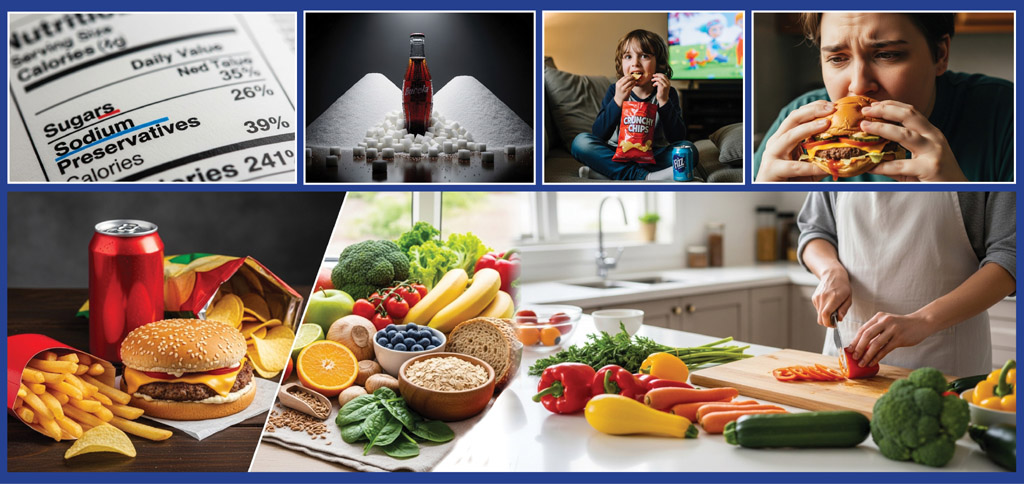
Columnist Nozaina : Processed foods have a negative impact on health. Consumption of heavily and highly processed foods can increase the risk of obesity, type 2 diabetes, and many more. Not all types of processed foods pose health hazards; most foods need some degree of processing. However, ultra-processed foods are chemically processed and tend to be high in artificial ingredients, trans fats, and sugar. Therefore, they are a major contributor to illness and obesity around the world. Ultra-processed food consumption has skyrocketed globally in recent years. Now these foods contribute approximately 25 to 60% of the overall diet in most parts of the world. Foods are processed in different ways.
Mechanical processing does not necessarily make food unhealthy. This processing includes heating vegetables, pasteurizing foods, or grinding beef. It does not decrease the health benefits of the food if no ingredients or chemicals are added during processing.
Chemical processing and mechanical processing are different. Chemically processed foods only contain artificial substances and refined ingredients, with low nutritional value. They have added chemical flavoring agents, colors, and sweeteners. Ultra-processed foods are also called cosmetic foods.
Here are some examples of ultra-processed foods:
Processed cheese products
Packaged bread
Chips and crackers
Breakfast cereals
Frozen meals
Ice cream and candy
Baked items, including pizza, cake, pastries, etc.
Instant Soups and Noodles
Sodas and other sweetened drinks
Reconstituted meals like fish fingers, nuggets, processed ham, and sausages
Ultra-processed foods have excellent taste and are usually inexpensive. They contain harmful ingredients that are detrimental for health if consumed in excessive amounts, like added sugar, salt, and saturated fat.
Ultra-processed foods also contain fewer vitamins and less dietary fiber than whole foods. In 2019, a large study involving more than 100,000 adults revealed that eating more than 10% ultra-processed foods was associated with a 10% increase in the risk of cerebrovascular disorder, cardiovascular disease, and coronary heart disease.
Another study that was also performed in 2019 involving around 20,000 adults found that eating above 4 servings of processed food daily was associated with an increased possibility of all-cause mortality. Too much consumption of highly processed foods can lead to obesity.
Processed foods increase the risk of diseases. The reasons are the following:
Added Sugar
Processed foods contain added sugar, which has no essential nutrients but is high in calories. Regular intake of excess added sugar is associated with obesity and its comorbidities, which include high blood pressure, type 2 diabetes, stroke, cancer, heart disease, and metabolic syndrome. Beverages and processed foods are among the vital sources of added sugar in the diet. Sweetened beverages are a significant source of added sugar. People tend to use more sugar than they realize in soft drinks. Drinking water instead of sodas is an effective and quick way to make the diet more healthful.
 Trans fats
Ultra-processed foods are very high in cheap, unhealthy fats. They often contain refined vegetable or seed oils, which are inexpensive and easy to use. Trans fats increase inflammation in the body. They decrease the level of HDL (good cholesterol) and raise the level of LDL (bad cholesterol). Trans fat intake is related to an increased possibility of type 2 diabetes, heart disease, and stroke. A 2019 study revealed that a 2% increase in energy intake from trans fat is associated with a 23% increase in CVD risk. We can avoid trans fats and refined oils by avoiding processed foods. An effective way is to replace it with olive oil and avocado oil.
Refined Carbohydrates
Carbs are an important part of any diet. However, carbs from whole foods provide greater health benefits than refined carbs. Our body breaks down simple and refined carbs quickly, which leads to a rapid spike in insulin and blood sugar levels. When the level drops, a person may experience low energy and food cravings. Refined carbs frequently decrease and increase the blood sugar level. Increased consumption of refined carbs is associated with a greater risk of type 2 diabetes. Highly processed foods are high in refined carbs. Legumes, fruits, vegetables, and whole grains are whole food sources of carbs.
Artificial Ingredients
The ingredients list on the backside of the processed food packaging is full of unrecognized substances. Some ingredients are artificial chemicals that have been added to make the food more palatable. Highly processed foods are bad for health because they contain texturing agents, artificial coloring, chemical flavoring, and preservatives.
Low Nutrients
Ultra-processed foods are lower in essential nutrients than minimally processed foods. Sometimes manufacturers add synthetic minerals and vitamins to replace nutrients lost during processing. Ultra-processed foods do not provide additional healthy compounds. Grains, fruits, and vegetables contain healthy plant compounds with anticarcinogenic, antioxidant, and anti-inflammatory effects. These compounds include tannins, carotenoids, anthocyanins, and flavonoids. Unprocessed foods provide the full range of essential nutrients.
Low in Dietary Fiber
Dietary fiber has a lot of health benefits. It can slow the absorption of carbs and help people feel more satisfied with fewer calories. Fiber also acts as a prebiotic to feed the gut microbiota and can help boost heart health. Natural fiber is lost during processing; that’s why ultra-processed foods are very low in fiber. Whole grains, seeds, nuts, fruits, vegetables, and legumes are healthy, high-fiber foods.
Instant Energy
Ultra-processed foods are easy to chew and swallow because a substantial amount of fiber is lost during processing. A person can eat more processed foods in a short time, which leads to unintentional weight gain. Now, ultra-processed foods have become more common in diets worldwide. Increased consumption of these foods increases risks to health. It is important to replace ultra-processed foods with whole foods.