 Everyone talks about protein; it not only helps to build muscles but also reduces the risk of stroke and heart disease. Protein is a complex group of molecules that performs all types of functions in the body. They make up nails, bones, hair, and muscles. It gives organs and tissues their shape and also helps them to perform their functions properly. There are numerous ways to incorporate protein into your diet. You can add protein powder to your morning smoothie or top your latte with protein cold foam. Plenty of other protein-rich foods that you can eat throughout the day.
Lentils
Dried lentils are economical. They are another legume powerhouse. Lentils cook in around 20 to 30 minutes. One half cup of cooked lentils contains 9 grams of protein. You can add cooked lentils to a salad with herbs, spices, and chopped sweet pepper, or simmer dried ones into soup with onion, spinach, diced tomatoes, broth, garlic, and rosemary.
Soybeans
A fantastic source of protein that has all the necessary essential amino acids. Soya is a rare plant source of complete protein. One-half cup of fresh soybeans contains 9 g of protein.
Sardines
You don’t need to spend a lot to stock up on protein-rich food, such as sardines. Sardians, a small silvery fish, pack 18 grams of protein in half-cup servings. You can buy them canned, because fresh ones are too expensive. Purchase those canned in olive oil or water, and rinse off extra oil. They are easy to prepare; sprinkle with olive oil or lemon juice, or top them with tomatoes or herbs like oregano or basil.
Cottage Cheese
A cup of cottage cheese contains 24 grams of protein and also has casein. Casein is a type of protein that digests slowly, helping you feel full for a long time. Cottage cheese is a wonderful add-in. There are multiple ways to use cottage cheese, such as mixing it into scrambled eggs, blending it into a smoothie, or using it as a base for a bowl topped with olives, veggies, and seasoning.
Chicken Breast
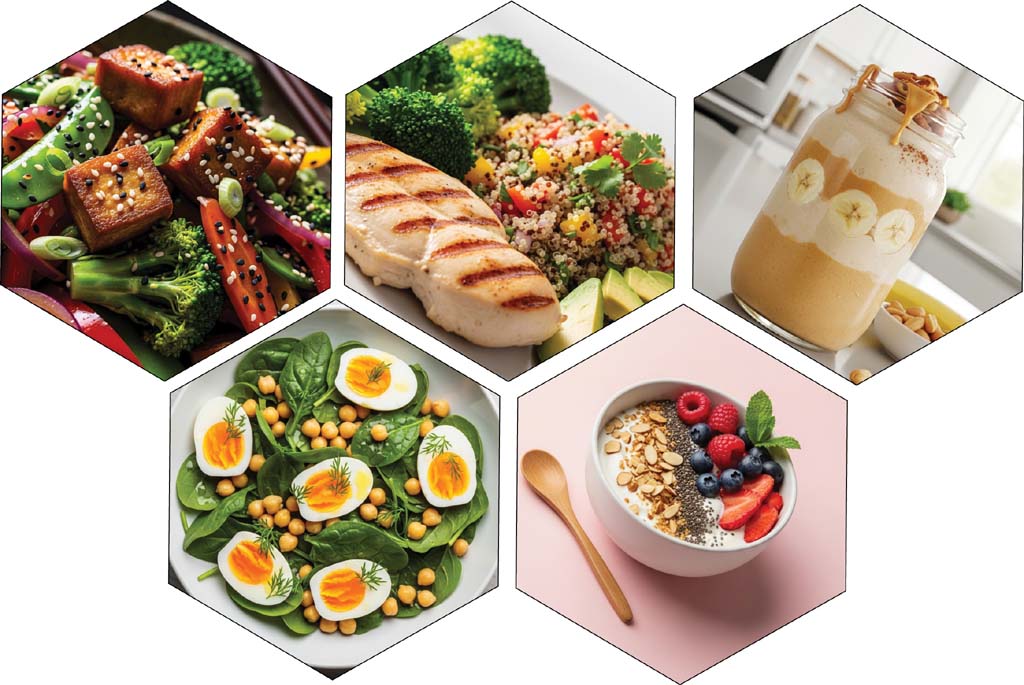
Chicken is a protein powerhouse. There are many ways to cook chicken, like sauteed, grilled, baked, broiled, and more. A 4-ounce serving of chicken has 27 grams of protein. Sliced chicken breast into salad. Stir fry it with veggies, sauces, ginger, garlic, sesame seeds, and seasoning.
Eggs
Eggs are inexpensive and easy to cook, and one egg provides 6 grams of protein. There are multiple ways to add eggs to food. Chop hard-boiled eggs and mix with lemon juice, leeks, olive oil, and dill for egg salad. Serve with tortilla and black beans. If you are cutting carbs, replace half of the noodles in your mac or cheese with scrambled egg white. They taste like al dente pasta when covered in cheese sauces.
 Black Beans
These are an excellent source of protein and fiber. Half-cup servings of black beans provide 7 grams of protein. According to research, black beans contain compounds that help to control insulin and blood sugar levels. Mix black beans with pinto beans and red kidney beans in vegetarian chili. You can add cooked black beans into soup burritos.
Oats
Everyone probably has some oats in their pantry right now, whether steel-cut, instant, or rolled. Their textures differ, but each serving contains 5 grams of protein per 1 cup (cooked). Boost flavor and fiber by topping your oatmeal with nuts, cinnamon, berries, and honey. You can use whole oat groats as a base for poultry stuffing.
Peanuts
Peanuts are not really nuts. They are legumes, like beans and peas. One ounce has 7.3 grams of protein. Stir peanut butter into your morning oatmeal, sprinkle it on salad, and add it to sauteed veggies and chicken. You can have a handful of peanuts as a snack.
Chickpeas
These legumes are also called garbanzo beans. They can be used in both savory and sweet dishes to boost protein. One cup contains 15 grams of protein. They are delicious roasted and seasoned with olive oil for a crunchy snack, mashed with avocado to make a sandwich spread, or pureed with lemon, garlic, and tahini to make hummus.
Split Peas
These are legumes. One-half cup of cooked split peas contains 8 grams of protein. You can buy them dried and simmer for one to two hours. Split peas work well in soups because they absorb the liquid. You can puree them with a lot of vegetables for a soup in winter.
Lean Beef
If you want to eat beef, it is better to choose lean sources that contain less saturated fat than other options. Remember, the protein content is lower if the fat content is higher. 4 ounces of 93% lean ground beef contains 24 grams of protein.
Turkey breast
It’s a great source of selenium, zinc, vitamin B12, and B6 in addition to protein. Three ounces of turkey contains 26 grams of protein.
Canned Tuna
Canned tuna is a healthy, convenient food that does not have saturated fat. Three ounces of canned tuna have approximately 20 grams of protein. You can add a tiny bit of mayo and some plain fat-free Greek yogurt and use it on whole-grain bread or crackers. There are countless ways to use tuna.
Greek Yogurt
Fat-free, plain Greek yogurt is one of the high-protein, low-calorie foods. It contains active and live cultures, which are probiotics that support a healthy gut. One-half cup of fat-free, plain Greek yogurt has 11 grams of protein. You can add frozen fruits to Greek yogurt in the morning and can have it for lunch. The fruit will melt and add flavor and juice to the yogurt.
Nuts
All nuts contain protein; almonds and peanuts offer more protein per serving, which makes them a good snack option. You just need to take it in the appropriate amount; a handful of nuts is enough in a day. One ounce of whole raw almonds contains 6 grams of protein, while one ounce of dry-roasted salt-free peanuts contains 7 grams of protein.