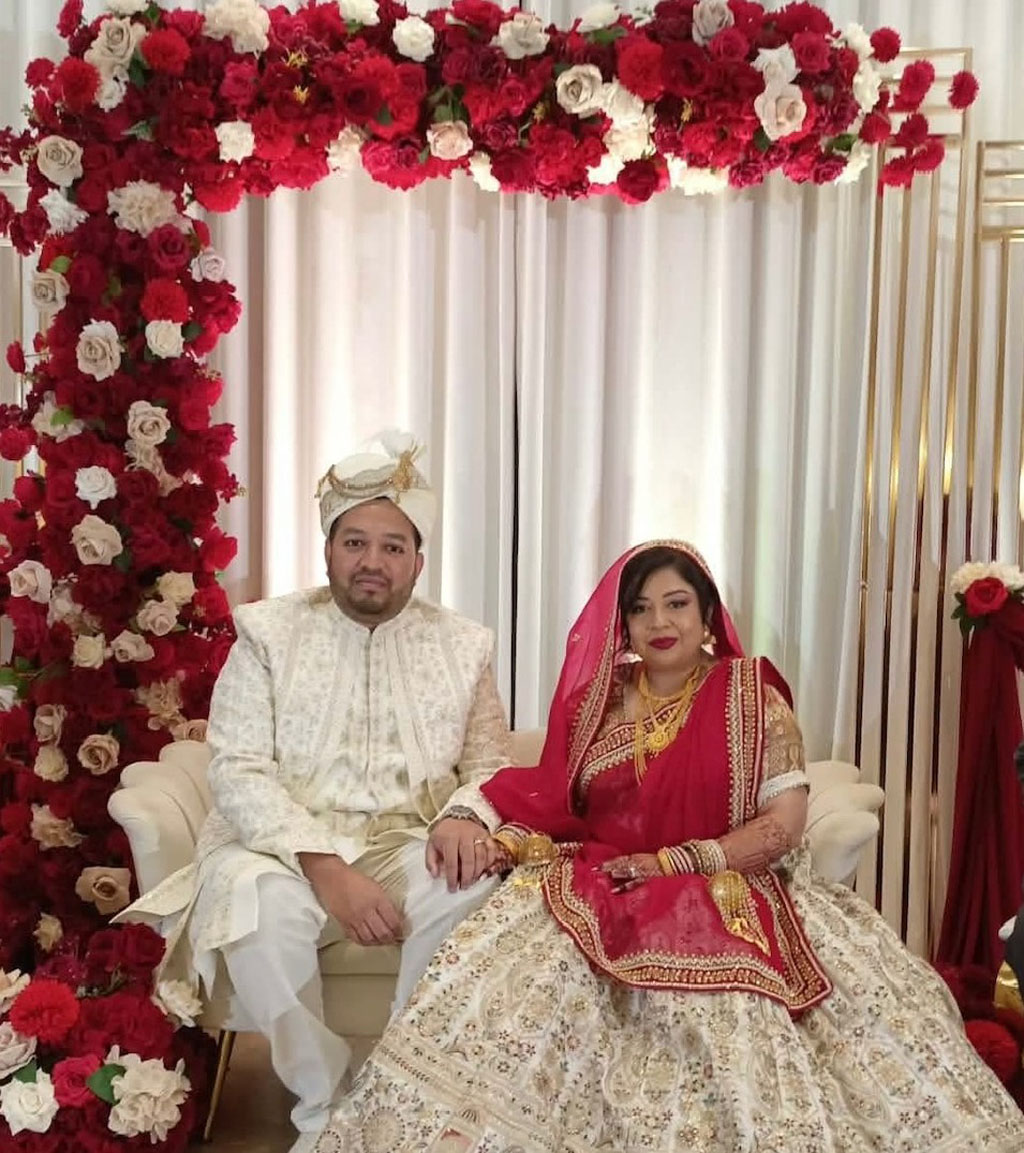
Professor Dr. Shafiqur Rahman: In Australia, a wedding that blends Bangladeshi culture and Islamic heritage reflects a careful balance between tradition and modern life. It shows how migrant communities hold on to their values while adjusting to a multicultural, regulated, and contemporary society. The spirit of the wedding remains familiar, but it is shaped by Australian realities such as venues, time limits, diverse guests, and changing family roles across generations.
The process usually begins with family involvement, though it is often more relaxed than in Bangladesh. Families meet in homes, mosques, or community centres instead of large ancestral houses. These meetings focus on consent, shared values, and expectations. Islamic principles of mutual agreement are highlighted, while Bengali customs like offering sweets and tea are still observed. English is often used alongside Bangla so younger family members and guests from different backgrounds can feel included.
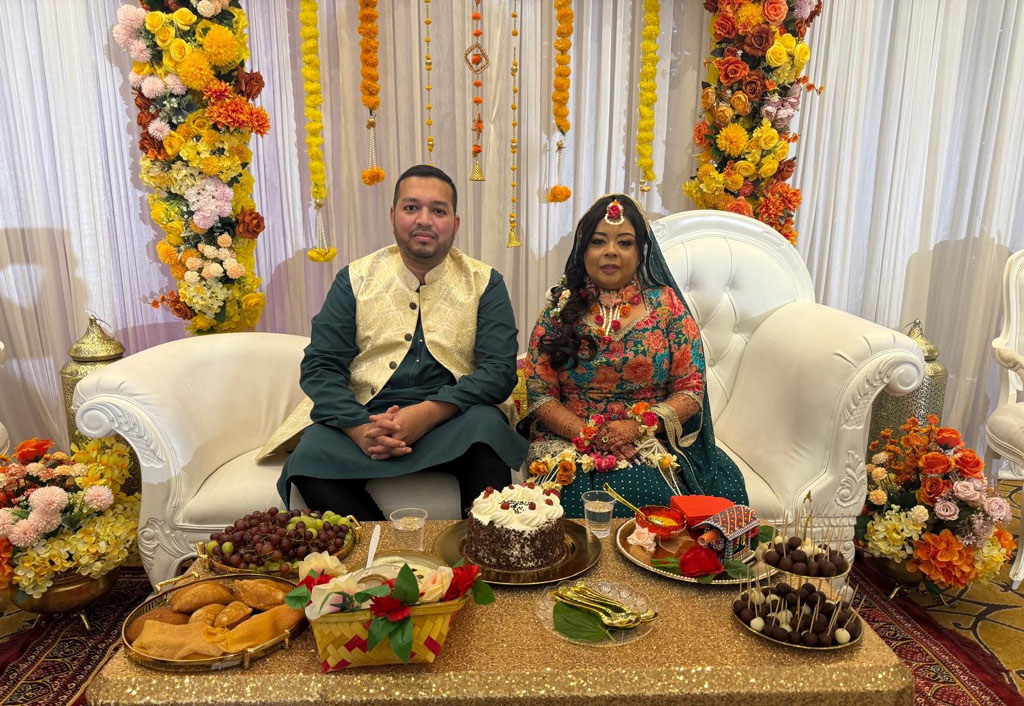
Pre-wedding events are usually shorter due to work commitments and venue availability. The Gaye Holud ceremony often takes place on a weekend, held in a community hall or a family backyard. Local council rules influence noise, guest numbers, and timing, so celebrations are joyful but well organised. Women sing traditional songs, apply turmeric paste, and explain the meaning of the rituals to younger participants, many of whom may be seeing them for the first time. In this way, the event becomes both a celebration and a learning experience.
The wedding day itself is carefully planned, reflecting Australia’s organised event culture. The Nikah is commonly held at a mosque or Islamic community centre, sometimes followed by a reception at a different venue. An Imam leads the ceremony, reciting Qur’anic verses and explaining marital responsibilities in clear and simple language, often in both English and Bangla. This helps ensure everyone understands the meaning of the ceremony.
Consent is clearly stated, and the mahr is announced and documented. This openness fits well with both Islamic teachings and Australian legal expectations, reinforcing marriage as a serious commitment. The Nikah is usually modest, focusing on faith and simplicity rather than show.
After the Nikah, the celebration moves to a reception that reflects cultural blending. Community halls or function centres are decorated with Bengali colours, flowers, and gentle Islamic calligraphy. Seating is usually mixed, with an emphasis on comfort and inclusion. Music is chosen carefully, often soft nasheeds or instrumental pieces, to keep a respectful and joyful atmosphere.
Food plays an important role in expressing culture. Menus often combine Bangladeshi dishes like Biryani, korma, and sweets with Australian-style salads and lighter options. All food is halal, and menus are clearly labelled, reflecting Australia’s diverse and health-conscious dining culture.
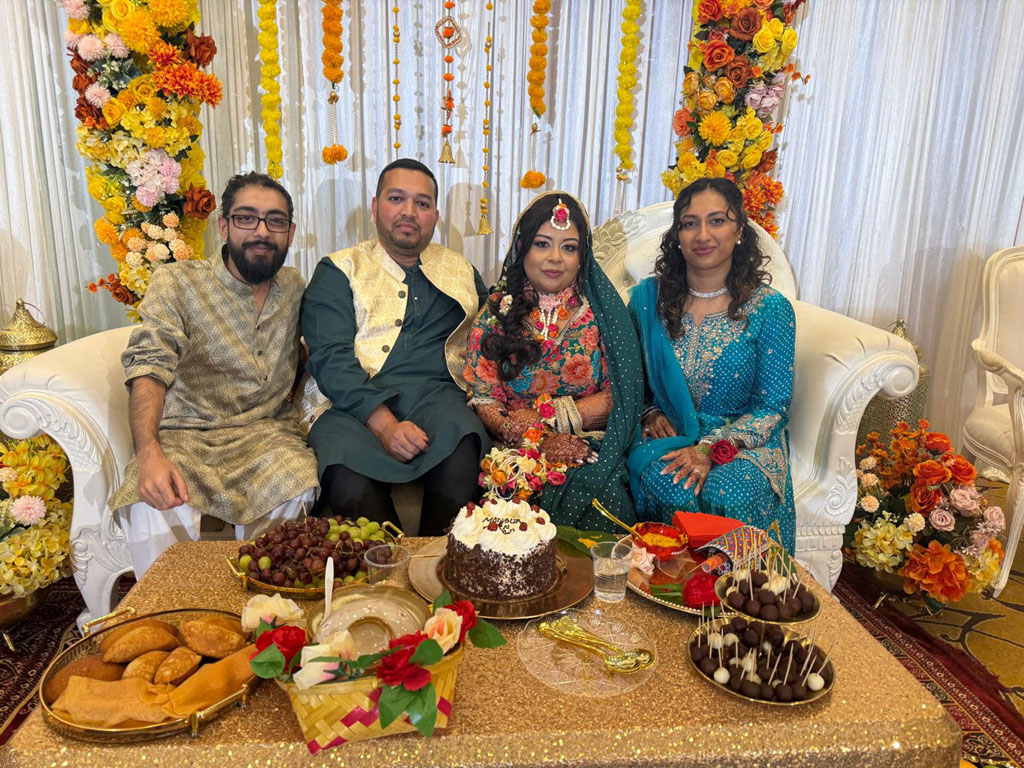
Sydney recently witnessed a memorable and culturally significant event on Sunday, 18 January, at The Clairemont in Bankstown, the wedding of Monsur Alam Chowdhury and Farin Haque. The celebration brought together several hundred guests from across Australia and overseas. Relatives, community leaders, journalists, and close friends of the couple gathered to share in the joyous occasion, enjoying a festive atmosphere complemented by mouth-watering cuisine.
The venue was elegantly transformed with floral decorations throughout, including beautifully arranged table settings, creating a warm and welcoming ambience. During the speaking session, the couple and their loved ones shared heartfelt memories, many of which were emotional and deeply touching for the audience. A particularly moving moment came from the bride, whose short yet graceful speech reflected on her upbringing as a Muslim woman. She shared that in her family, every meal begins with Bismillah and ends with Alhamdulillah, a practice that shaped her faith and values. Expressing her commitment to continuing her life guided by Islamic principles, she sought prayers and blessings from those present for a happy and harmonious married life. She is now joining a new family, where she hopes to build a happy and meaningful life with caring people.