–KAZI EMDADUL HAQ
Second part (in continuation of the previous article)
This article will focus on food waste in food services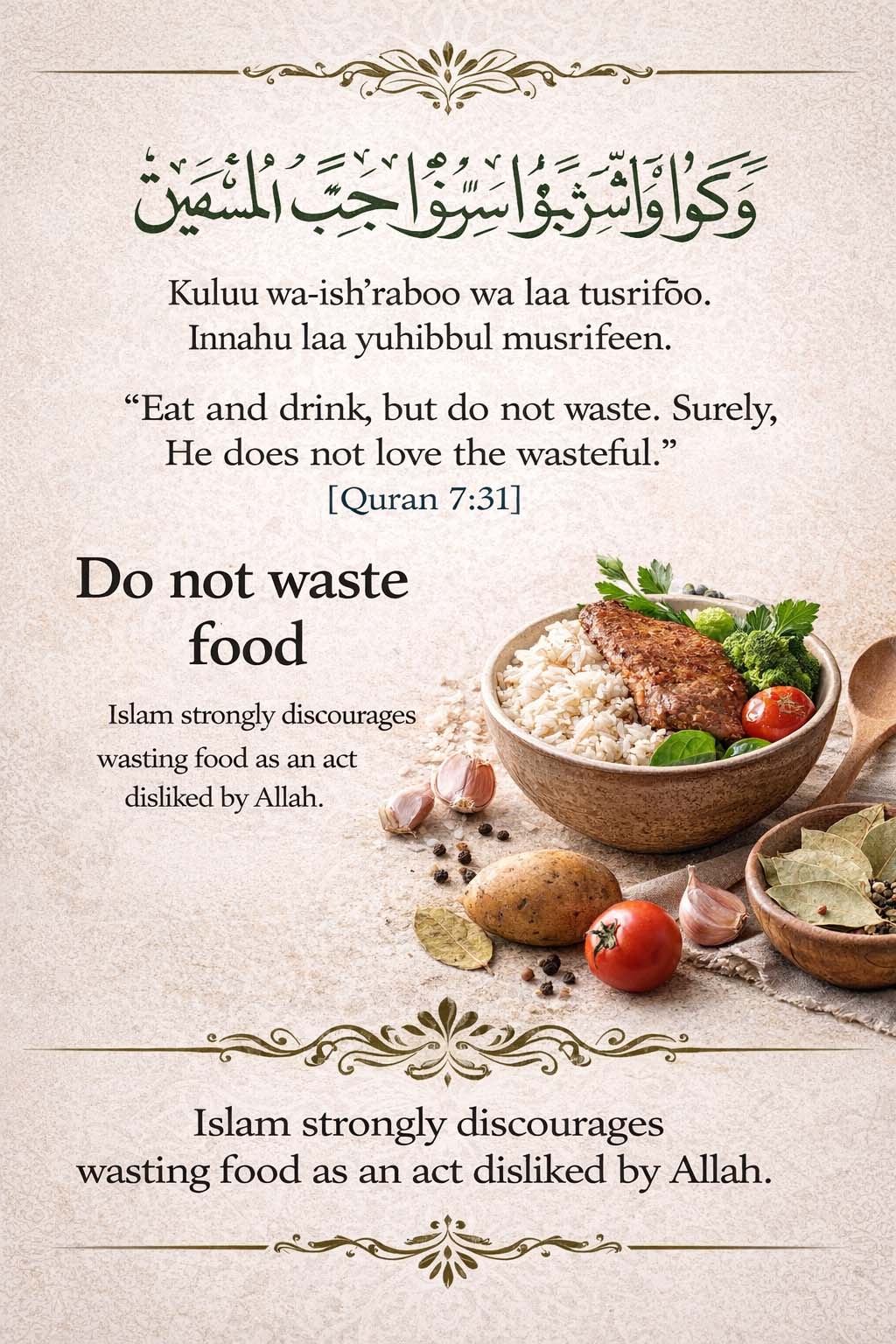 , where most general people are concerned and may contribute to minimising waste.
The main reasons for food waste at restaurants include over-purchasing, inadequate storage facilities, expiration of dates, and food left behind during fine dining that is still usable. However, the majority of food waste (approximately 70%) occurs from plate waste (including buffet) that is uneaten by customers who have been ordered to eat. The same happens at home, but one thing to add is that many families are tempted by bulk purchases of food they will never consume; they buy just to get a good deal (e.g., buy one get one free).
Previously, we compared the total food waste for some individual rich countries. Let’s compare the food waste in the food service sector only:
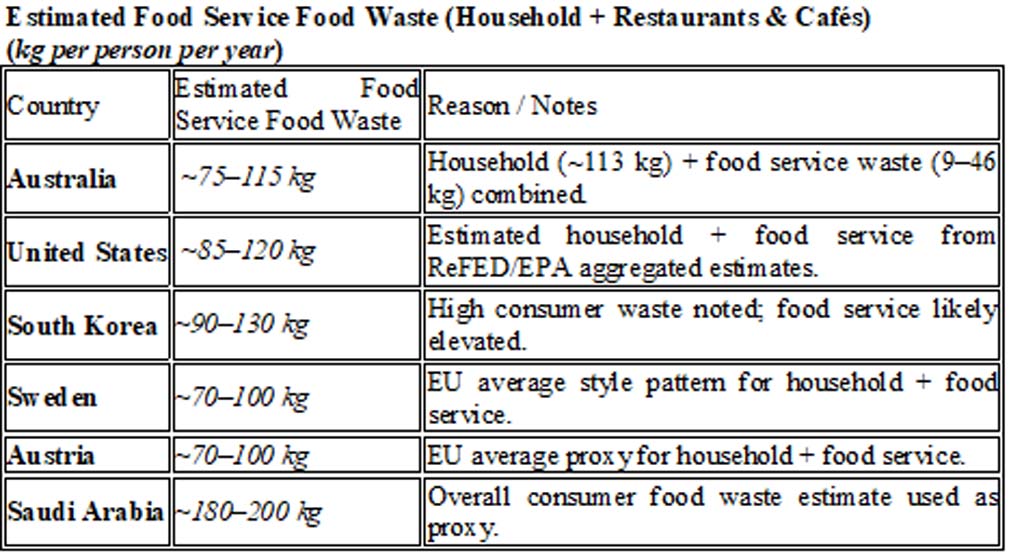
Note: Australia, the USA, Sweden, Austria, South Korea — their food service figures are based on industry and government sources that delineate household and restaurant waste where available. Saudi Arabia’s figure is likely the highest among these countries because studies place its total per‑capita consumer food waste well above global averages (~184 kg/year). Saudi Arabia has no standardised food service breakdown; as such, its total waste is considered as food service & household waste.
From the above chart, we see that Saudi Arabia wastes food at a much higher rate than any other country in the developed world. Food waste in food service in Saudi Arabia is about 2 million tonnes out of a total of 4 million tonnes, which is 50% of total food waste annually. It is also noteworthy that most Middle Eastern countries waste more food than Western countries. For example, the food waste in the Gulf Cooperation Council (GCC) is approximately 150 kg per person per year, 14 per cent higher than the global average of 115 kg. During the month of Ramadan, most Middle Eastern countries waste food at a much higher rate than most developed countries.
These rich Muslim countries, of course, follow the teachings of the Holy Quran. Let’s see what Holy Scripture says about food waste. Out of several references, the verses below are more relevant:
Figure 1:
Key Quranic Verses Against Food Waste,
“O children of Adam! Take your adornment to every Masjid(mosque), and eat and drink, but do not waste. Surely, He does not like the wasteful.” Surah Al-A‘rāf— Qur’an 7:31.
This is the clearest and most direct verse condemning excess in eating and drinking. It is a divine command for moderation, and a warning that Allah (God) dislikes the wasteful (Al-Musrifīn).
Saudi Arabia’s status as a global leader in per capita food waste—especially within its food service and household sectors—is a stark and well-documented reality. This phenomenon stems from a complex web of cultural, economic, and logistical factors. Here is a breakdown of some key issues:
- Cultural and Social Norms: The deeply rooted culture of karam (extreme hospitality issues) drives a practice of serving excessive amounts of food as a sign of honour and social status, inevitably leading to significant waste. Major social and religious gatherings—Weddings, Eid celebrations, and Ramadan Iftars—are marked by extravagant buffets, where a substantial portion of good food ends up as waste. The holy month of Ramadan presents a particular paradox, where spiritual reflection coincides with a dramatic surge in food waste from lavish household and commercial meals. Home composting or systematic leftover management remains virtually absent.
(Note: Food waste during the holy month of Ramadan is a significant and deeply controversial issue in the whole world. While the scale of this waste is especially stark in nations like Saudi Arabia, it is a critical challenge for Muslim communities across the globe. However, as the custodian of the Holy Kaaba and a spiritual leader for Muslims worldwide, Saudi Arabia holds a unique moral authority to champion the Islamic teachings against waste and lead a global movement for change).
- Economic and Behavioural Drivers: Decades of high per capita wealth and substantial government subsidies on essentials like water, electricity, and food have reduced the perceived cost of waste. This is compounded by consumer habits such as bulk purchasing and a widespread misunderstanding of “best before” dates, leading to the premature disposal of safe, edible food.
- Infrastructural Challenges: The extreme climate makes the supply chain vulnerable; any failure in the cold chain, from farm to market, can result in rapid and large-scale spoilage.
The above analysis, however, reveals a profound contradiction. On one hand, the culture and wealth in Saudi Arabia led to a lifestyle of abundance, where a lot of food is wasted in homes and at events. On the other hand, many Muslim pilgrims — especially from poorer countries — return from Hajj or Umrah feeling disappointed. They often say they didn’t feel the kindness or care they expected from the people of the land that hosts Islam’s holiest sites.
A striking paradox also exists in modern Saudi society. Its per capita food waste rate ranks among the highest in the world—surpassing even that of many developed nations. The Saudi society, that upholds strict adherence to visible Islamic codes, such as compulsory wearing the hijab for women, demonstrates a widespread disregard for the Quran’s explicit commandments against wastefulness.
This contrast is very disturbing: there is so much generosity and comfort shown within their own society, but far less empathy shown toward fellow Muslims from less privileged backgrounds. It raises a painful question — how can a nation so blessed, and so closely tied to Islam’s heart, show such care for its wealthier citizens but overlook the needs and dignity of poorer Muslims who come in faith?
While Saudi Islamic scholars and Imams actively preach against this excess at home, the cultural norm of extravagant hospitality continues to overshadow these teachings. As the de facto leader of the Muslim world, Saudi Arabia possesses a unique moral authority and opportunity. By aligning its national habits with its spiritual principles and championing a global movement against food waste, it could transform this contradiction into a powerful, unified call for mindful consumption for over two billion Muslims worldwide.
(to be continued in the last part)