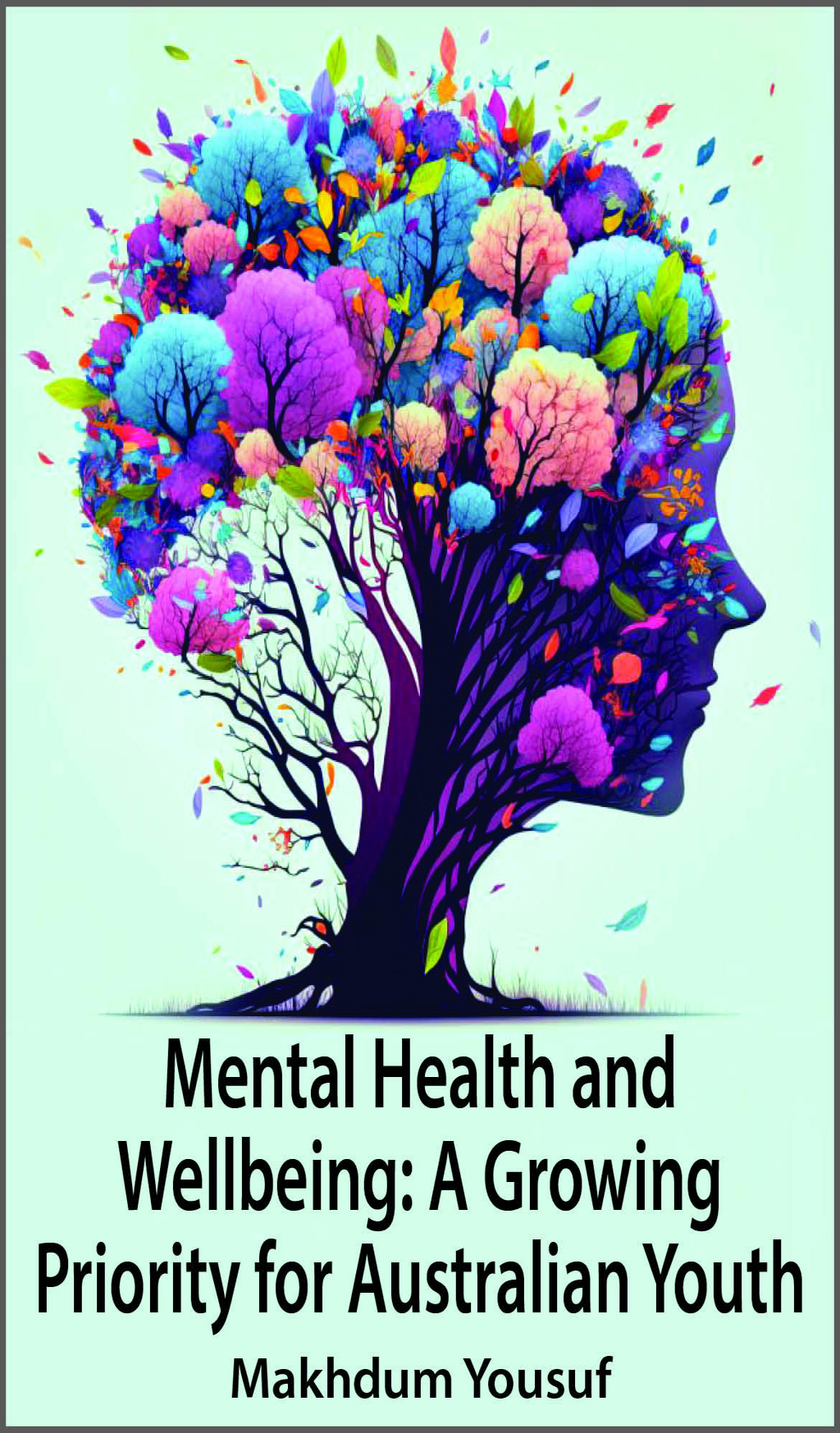
 Makhdum Yousuf: In recent years, mental health has become one of the most urgent issues affecting young people across Australia. From academic pressure and cost-of-living stress to the overwhelming influence of social media, today’s youth face challenges that previous generations could hardly imagine. As conversations about wellbeing grow louder, so too does the need to understand the complex reality young people are navigating every day.
A Changing Landscape for a New Generation
Australia’s youth are living in a time of rapid social and technological change. While opportunities for education, creativity, and global connection have expanded, the pressure to achieve and stay constantly connected has also intensified. Many young people report feeling overwhelmed, uncertain about their future, or isolated despite being digitally linked to thousands of people.
According to recent national surveys, young Australians aged 16 to 24 consistently show higher levels of psychological distress compared to any other age group. Issues like anxiety, depression, and loneliness are now common topics in school hallways, university campuses, and workplaces. The stigma that once surrounded mental health has reduced, but the issues themselves have grown more visible.
The Impact of Social Media
Social media plays a major role in shaping youth identity and wellbeing. Platforms like Instagram, Tiktok, and Snapchat can offer connection, creativity, and entertainment but they also expose young people to unrealistic beauty standards, constant comparison, and online bullying.
Many youth say they feel pressure to look perfect, live an exciting life, or achieve success by a young age. The “highlight reel” culture encourages constant comparison, often creating feelings of inadequacy or low self-esteem. The fear of missing out (FOMO) and the addictive nature of social platforms can lead to poor sleep, reduced productivity, and increased anxiety.
Academic and Career Pressure
Young Australians today face intense competition in education and the job market. University fees, assignment deadlines, and the pressure to perform academically weigh heavily on students. Those entering the workforce face uncertainty around employment, rising living costs, and limited affordable housing.
For many, the pathway from education to a stable career is no longer straightforward. This uncertainty creates long-term stress, making young people feel they must constantly achieve more just to keep up.
Cost of Living and Financial Stress
The rising cost of living in Australia has become a significant mental health burden. Young people struggle with rent, food prices, and transport costs, especially those living away from their families. Some take on multiple part-time jobs while studying, leaving little time for rest or social connection.
Financial insecurity not only affects daily wellbeing but also impacts long-term plans, including higher education, starting a career, or buying a home. These economic pressures often lead to anxiety, frustration, and feelings of hopelessness about the future.
The Importance of Family and Community Support
Despite these challenges, support from family, friends, and community remains one of the strongest protectors of youth mental health. Culturally diverse communities in Australia also play a vital role in providing connection, belonging, and emotional support.
However, many culturally and linguistically diverse (CALD) youth often face additional pressures balancing traditional family expectations, navigating two cultures, or dealing with language and identity struggles. Creating culturally sensitive mental health resources is crucial in helping these young people feel seen, understood, and supported.
How Youth Are Taking Control of Their Wellbeing
Despite rising mental health challenges, young Australians are increasingly proactive about seeking support. Many are now:
- practicing mindfulness, meditation, and stress-management techniques
- attending counselling or using mental health helplines
- engaging in sports, fitness, and creative hobbies
- limiting screen time and taking regular social media breaks
- openly discussing mental health with peers and family
Schools, universities, and workplaces have also begun implementing wellbeing programs, mental health workshops, and support services to help young people manage stress and build resilience.
The Role of Government and Community Organisations
In response to the growing mental health crisis, both government and community organisations continue to expand support services for young people. Initiatives like Headspace, Beyond Blue, Black Dog Institute, and multicultural mental health programs offer counselling, workshops, and digital resources tailored for youth.
However, many young people still face barriers such as long waiting times, cost of therapy, fear of judgement, or lack of culturally appropriate services. Strengthening these programs and investing in early intervention remains essential.
A Collective Responsibility
Youth mental health is not just a personal issue it is a national responsibility. Parents, teachers, community leaders, policymakers, and media organisations all play an important role in creating supportive environments where young people feel safe to express their struggles.
Open conversations, kindness, and understanding can make a world of difference. A single supportive adult whether a parent, teacher, coach, or community member can profoundly influence a young person’s life.
Looking Ahead with Hope
Although the mental health challenges facing Australian youth are serious, there is also reason for optimism. Young people today are more open, more informed, and more willing to seek help than any generation before. They value authenticity, empathy, and community connection. They are actively shaping a future that prioritises mental wellbeing, not just academic or professional success.
By listening to youth voices and supporting their needs, Australia can build a healthier, more resilient generation one that thrives emotionally, socially, and mentally.