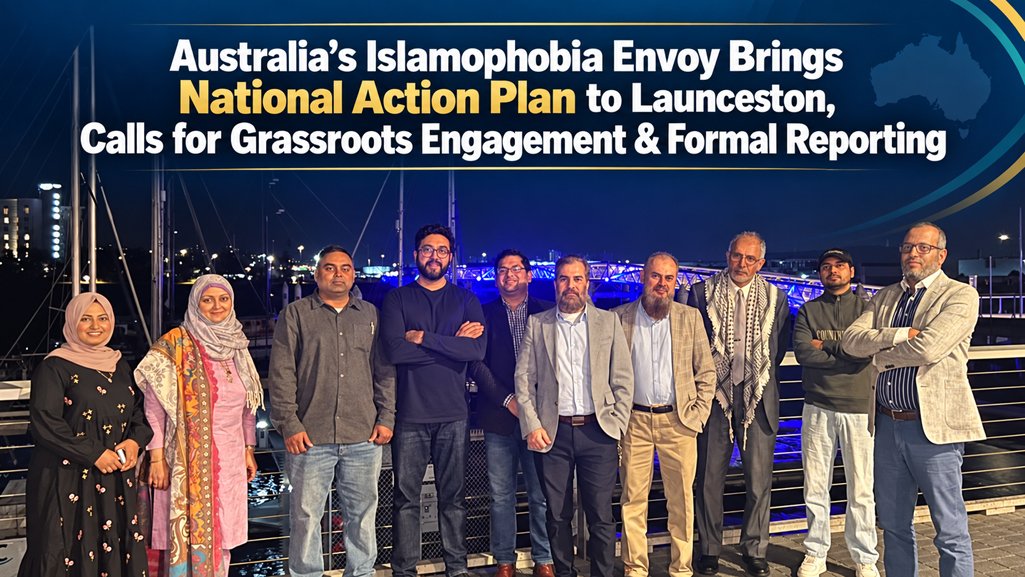
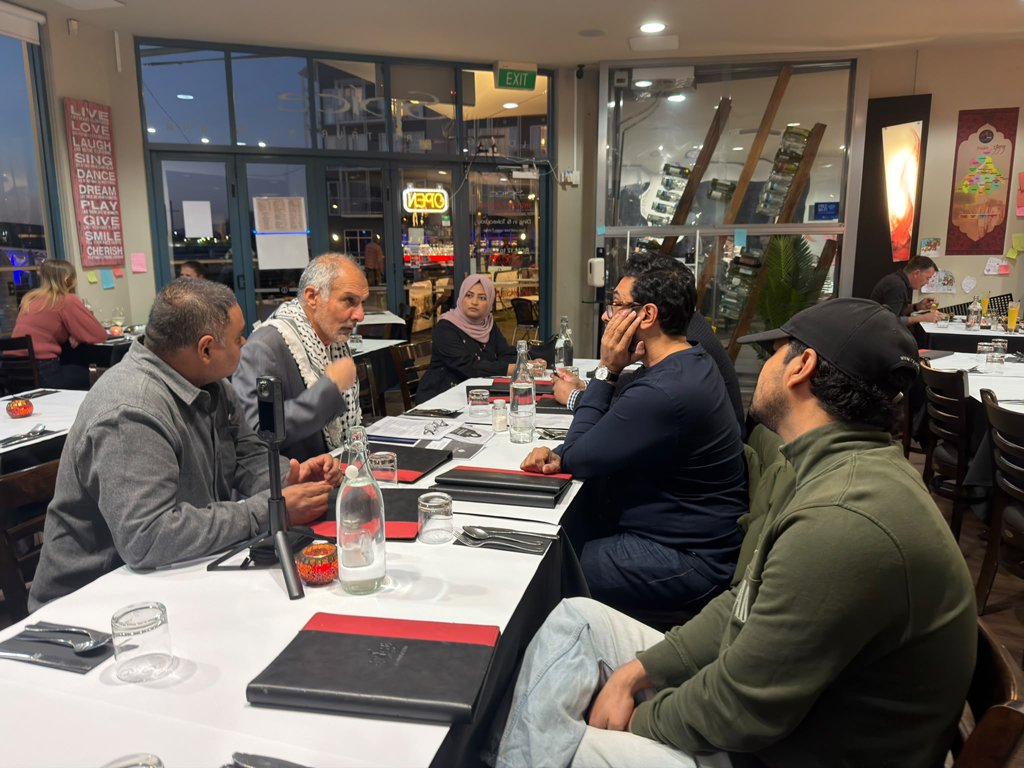
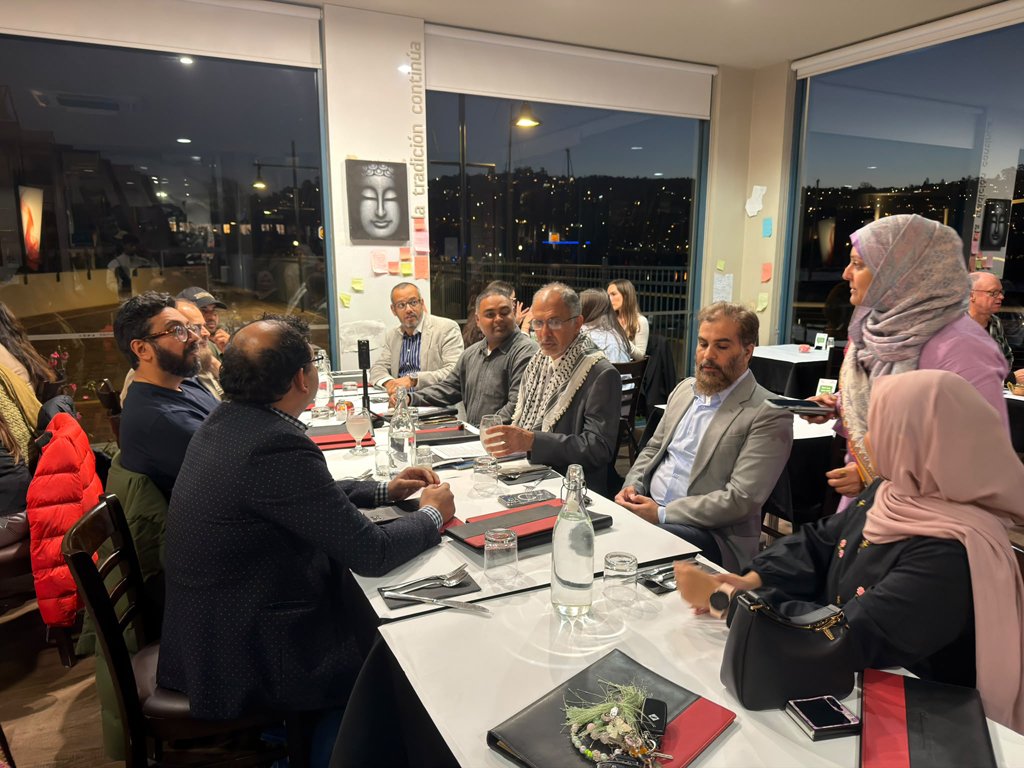
Suprovat Sydney Report : LAUNCESTON, Australia’s Special Envoy to Combat Islamophobia, Aftab Malik, visited northern Tasmania this week as part of his national listening tour. He met local community leaders, academics, healthcare professionals and other stakeholders at a roundtable dinner hosted by the Islamic Community Council of Tasmania.
The high-level gathering drew prominent regional figures, including Aimen Jaffery from the Tasmania Multicultural Community Centre and local businessman Saif, alongside medical professionals and academics who shared firsthand insights into the daily challenges faced by Muslim Australians in regional hubs.
The visit forms a crucial part of the Envoy’s ongoing national mission to address grassroots challenges, bridge community gaps, and build robust structural frameworks against anti-Muslim prejudice from the ground up.
During the robust roundtable discussions, local leaders raised pressing community concerns spanning education, healthcare, and public safety. Among them, local university academic Dr. Adil addressed systemic challenges and advocacy within the tertiary sector, while consultant specialist and House of Guidance mosque leader Dr. Mustafa shared insights on security, media engagement, and healthcare workplace dynamics. General surgeon and AMC candidate Dr. Wabiha highlighted professional career pressures and workplace hurdles faced by Muslim female medical practitioners, and community member Brother Hassan raised urgent public safety issues regarding security responses to local harassment. Additionally, academic Dr. Rabiul emphasized the importance of multi-faith school curricula and formal incident reporting, while local clinic owner Dr. Irfan discussed public curiosity, media misconceptions, and broader workforce challenges.
Addressing the assembly, Malik emphasized that tackling institutional and interpersonal discrimination relies heavily on active civic participation. He strongly advised local leaders and community members to ensure that any instances of harassment, bias, or Islamophobic incidents are formally documented and reported to proper authorities and dedicated support registers. According to the Envoy, capturing concrete data remains an indispensable prerequisite for driving measurable legal and policy reforms across Australia.
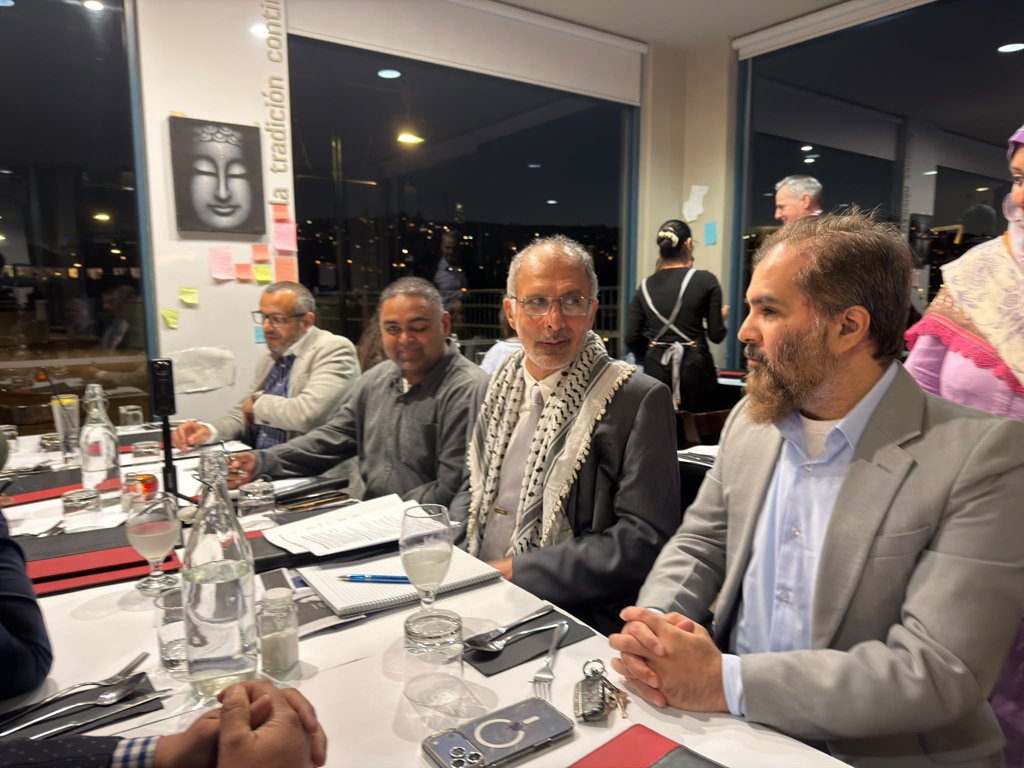 Malik also underscored the vital importance of engaging closely with local Islamic leaders and regional organizations—such as the Tasmanian multicultural network and mosque leadership—to foster safe, cohesive spaces across the state, ensuring that regional voices are directly reflected in ongoing national inclusion strategies.
From Grassroots Dialogue to Federal Reform
When Malik stepped into his role as Australia’s Special Envoy, he inherited one of the nation’s most delicate and volatile policy portfolios. Appointed to a three-year term, he faced an uphill battle from day one, operating initially without support staff for nearly a year and confronting an environment where community skepticism was profound.
Rather than retreating behind bureaucratic walls, Malik took his mandate directly to the streets, embarking on an extensive national listening tour to build a consensus-driven strategy.
The culmination of that effort arrived with his landmark framework report, A National Response to Islamophobia: A Strategic Framework for Inclusion, Safety and Prosperity. Delivering 54 comprehensive policy recommendations developed alongside local and international experts, the report provided the federal government with a roadmap for systemic reform. Following the framework’s release, the federal government formally committed to addressing or implementing a significant portion of those core measures.
The “Jigsaw Puzzle” Approach and Education
At the heart of Malik’s strategy is what he terms the “jigsaw puzzle” approach. Acknowledging that no single piece of legislation can undo decades of entrenched prejudice, his office designs targeted interventions—ranging from ministerial submissions to public lectures—crafted to fit specific audiences, from school boards to security agencies.
Among the government-backed initiatives, education has emerged as the Envoy’s highest priority. Through regular consultations with state and federal educational authorities, the initiative seeks to weave the historical contributions of Islamic civilization—spanning science, humanism, and modernity—directly into the national curriculum, while giving educators tools to build genuine cultural safety.
To replace anecdotal debate with hard facts, Malik’s office has also backed vital empirical research. Partnerships with Deakin and Griffith Universities have established the Australian Muslim Poll, while the Scanlon Foundation’s Islamophobia Index tracks shifting non-Muslim attitudes nationwide.
Direct Engagement and Reporting Campaigns
Malik’s engagement model deliberately extends deep into regional Australia. By hosting unscripted, open Q&A sessions under provocative titles like “Sharia is coming I’m petrified,” he invites skeptical or anxious members of the public to air their misconceptions face-to-face.
Concurrently, his office launched the ‘Report Islamophobia’ campaign in partnership with multiple national registers, urging victims and witnesses of workplace bias, public harassment, and discrimination to come forward. Malik’s core message remains clear: because structural protections rely on concrete data, formal reporting is a critical act of civic empowerment.
Ultimately, combatting Islamophobia transcends a single demographic; it remains a fundamental test of Australia’s social cohesion and democratic integrity. By wedding legislative reform with educational enrichment and rigorous accountability, the Special Envoy’s blueprint offers a path toward an enduringly resilient multicultural society.
Official Resources & Reporting Portals for Publication
Readers, community members, or local organizations seeking support or wishing to report incidents can utilize the following verified resources:
 Office of the Special Envoy (OSECI): Official Home Portal
- Full Framework Report: A National Response to Islamophobia (PDF)
- Report Islamophobia Campaign: OSECI Combatting Islamophobia Portal
- Local Support Network: Islamic Community Council of Tasmania
- National Incident Registers: