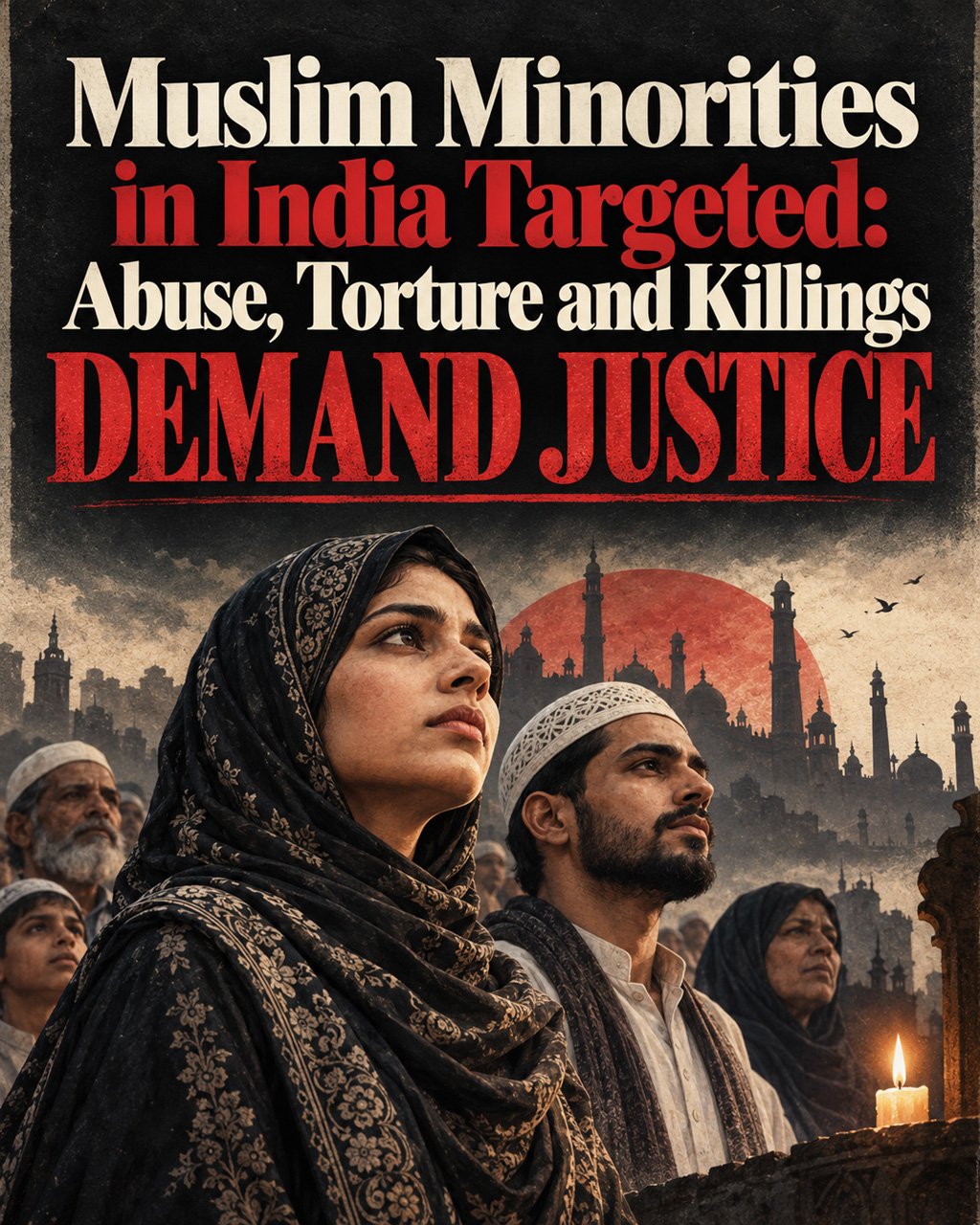
 By Suprovat Sydney: Protests have intensified across India following the election commission of India’s (ECI) large-scale revision of the national voter list. The exercise, known as special intensive revision (SIR), has resulted in the removal of millions of Muslim names, raising sharp criticism from opposition parties, civil society organizations, and human rights advocates who allege that the process disproportionately targets minority communities, particularly Muslims.
Controversial Electoral Revisions
The ECI, an independent constitutional body whose key leadership is appointed by the central government, stated that the revision exercise aims to cleanse the rolls of duplicate entries, deceased individuals, and fraudulently registered voters, including illegal immigrants.
However, critics argue that the initiative has effectively disenfranchised legitimate voters. Opposition parties assert that over 130 million names have been removed nationwide, leaving millions stuck in lengthy court appeals and unable to cast their ballots in recent elections. concerns have also been raised over administrative errors, such as living citizens being listed as deceased or individuals being omitted due to minor spelling discrepancies between government-issued IDs and voter cards.
Further controversy emerged following reports that major decisions regarding the revision were made without the full consent of all three election commissioners. The ECI has strongly denied these allegations, maintaining that its actions were unanimous, legally valid, and non-partisan.
Legal Challenges and Political Backlash
The revision exercise has sparked legal battles. In May, the Supreme Court of India allowed the ECI to proceed with the nationwide drive while mandating strict safeguards to protect eligible citizens. The court has since requested the government and the election body to explain specific decisions related to the process, with further hearings scheduled.
Public frustration has manifested in growing street demonstrations. In New Delhi, large crowds gathered to demand the resignation of Chief Election Commissioner Gyanesh Kumar. These demonstrations build upon earlier widespread youth and student protests over high unemployment rates and national examination leaks.
Wider Context and International Concerns
The dispute over voting rights comes amidst broader criticism of the ruling Bharatiya Janata Party’s (BJP) policies regarding minority communities. Rights groups have highlighted the implementation of the 2019 Citizenship Amendment Act (CAA), which provides an expedited pathway to citizenship for non-Muslim refugees from neighboring countries while excluding Muslims, leading to widespread debate over India’s secular framework.
Critics and international observers continue to call for greater transparency, administrative accountability, and international scrutiny to ensure that democratic processes and fundamental civil rights are upheld for all citizens regardless of religious background.
Why are Muslim minorities being targeted again?
Why should Indian citizens face humiliation, discrimination or violence simply because they are Muslim? Every citizen deserves equal rights, dignity and protection, regardless of religion.
Controversial Prime Minister Narendra Modi and the BJP government must answer for their handling of minority rights and allegations of abuses against minority Muslims. Those responsible for violence, persecution or incitement must face independent investigation and, where wrongdoing is proven, prosecution. Leaders who fail to protect all citizens should step down.
World leaders must speak out and press the Indian government to protect vulnerable communities, uphold religious freedom and ensure accountability. Muslim-majority countries and the wider international community should use peaceful diplomatic pressure to demand meaningful action.
Allegations of serious crimes must be examined through appropriate national and international legal mechanisms. Justice must focus on those responsible; ordinary Indian citizens must not face collective punishment.
The world must not remain silent. Muslim minorities in India deserve safety, equality and justice. The Modi government and BJP must face legal scrutiny over allegations of brutal violence and persecution against minorities. Anyone found responsible must be held accountable through due process.