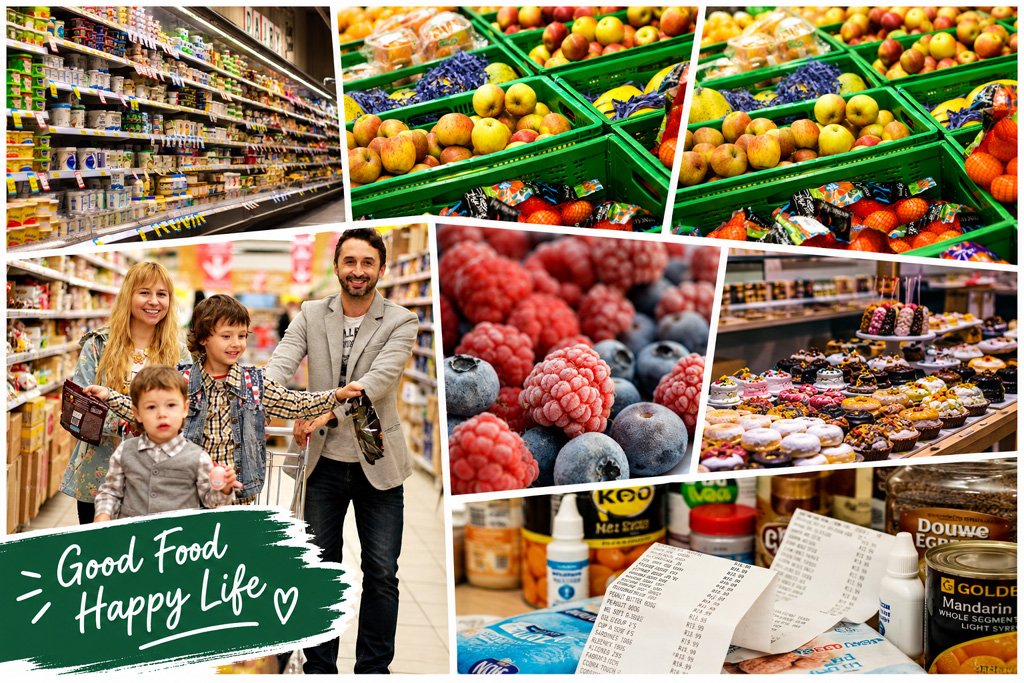
Columnist Nozaina: You can eat healthy on a budget. Go grocery shopping when you are not hungry. A balanced diet on a tight budget is difficult. Nutritious foods like vegetables, meat, fruits, and nuts can be expensive. You can save money while eating healthy. Here are some tips for maintaining a healthy diet on a limited budget.
Tips for Grocery Shopping
- Stick to your grocery list; do not add unnecessary items. At the grocery store, distractions can easily lead to unplanned purchases. Shop from the outer edge of the store first. Whole foods are generally located at the outer edge of the store, which encourages you to fill your cart with them. Processed foods are mostly placed in the middle of the store. The most expensive items are usually placed in the middle. Look at the top and bottom shelves.
- You can also download a grocery list app. Grocery apps save time and keep you from traveling. You can shop from anywhere and better control your budget. Apps avoid the purchase of unnecessary items, which are common in physical stores.
- Avoid shopping when you are hungry. You are more likely to purchase something on impulse. You may buy ready-to-eat processed foods that have fewer nutrients. These processed foods are not on your grocery list. Before shopping, try to eat yogurt, fruit, or other nutritious snacks to avoid impulse buys. Stick to your grocery list and budget.
- Less processed foods are more affordable than ultra-processed foods. Canned beans and a block of cheese are less expensive than refried beans and shredded cheese. Whole grains like oats and brown rice are less expensive than processed cereals. Less-processed foods yield more servings per package. They are sold in large quantities. Overall, save money.
- Highly processed foods like cookies, prepackaged meals, soda, and crackers are expensive. They are high in added sugar or sodium and lack beneficial nutrients. Choose high-quality, nutrient-rich whole foods and skip processed foods.
- You can save a lot of money by buying some foods in bulk quantities. Beans, lentils, dried foods, nuts, oats, brown rice, barley, and millets are available in bulk. These are staple foods that are inexpensive and can be used in nutritious meals. In airtight containers, staple foods stay safe for a long period of time.
- Meat is expensive; you can replace it with other protein sources like eggs, legumes, canned fish, and hemp seeds. These are inexpensive, easy to prepare, and nutritious. Do not spoil quickly. They have a longer shelf life. Try to use them at least a couple of days per week.
- Fresh fish and meat are quite expensive. Buy cheaper cuts of meat like ground meat or poultry, whole chicken, and chuck steak to save money. You can use them in soups, burritos, stews, casseroles, stir-fries, and other meals.
- Stock up on products on sale. Purchase frequently used products on sale to save money later. Use them before the expiry date.
- Prefer to buy frozen vegetables and fruits. Seasonal fresh vegetables and fruits are available only for a few months per year. Sometimes they are expensive. Frozen vegetables and fruits are nutritious, cheaper, and sold in large bags. You can use them in yogurt, oatmeal, or smoothies.
- Buy from online retailers. Online retailers offer a flat 50% discount on nutritious food. They are less expensive than grocery stores. You can access daily deals and discounts by registering. You do not need to go anywhere; select your products, place an order, and they will deliver straight to your door. Some online retailers focus on unprocessed and nutritious food. Stock up on products you use often to save money.
- Healthy eating is not expensive. Choose less expensive nutritious food, like seeds, whole grains, beans, eggs, frozen vegetables and fruits, and cheaper cuts of meat. They are highly nutritious. Eggs are packed with vitamins and protein; whole grains give long-lasting energy. Beans and seeds are rich in plant-based protein and fiber. Frozen vegetables and fruits are packed with vitamins and minerals.
- Cooking at home is cheaper than dining out. You can cook for four family members at home for the same price as buying food for two at a restaurant. Make it a habit to cook at home. Avoid buying from a restaurant. Homemade food is hygienic and healthy. You know what ingredients you are using and in what quantity. Some people cook for the entire week on the weekend, while others cook one meal daily.
- Planning meals is essential to saving money at the grocery store. Choose one day each week to plan the upcoming week’s meals and make a grocery list of what items you need. Check your fridge and cabinets to see what you already have. Plan meals with items that are near expiration. Choose products that you can use in time.
- You can save money and time by cooking large meals and using leftovers for other recipes and lunch. You can reuse them in burritos, stir-fries, salads, and stews. It’s a great way to save money when you are on a budget and don’t have time to cook. You can use leftovers. It stops you from eating out. You can also freeze leftovers to enjoy later.
- You can join a community garden or grow your own produce because seeds are very cheap. You may grow herbs, tomatoes, sprouts, and onions. Having a continuous supply of food at home saves money. Home-grown products are organic and taste better than store-bought ones.